Origins and Meaning of Tết
Tết: Discover the Most Cherished Festival at the Heart of the Vietnamese People
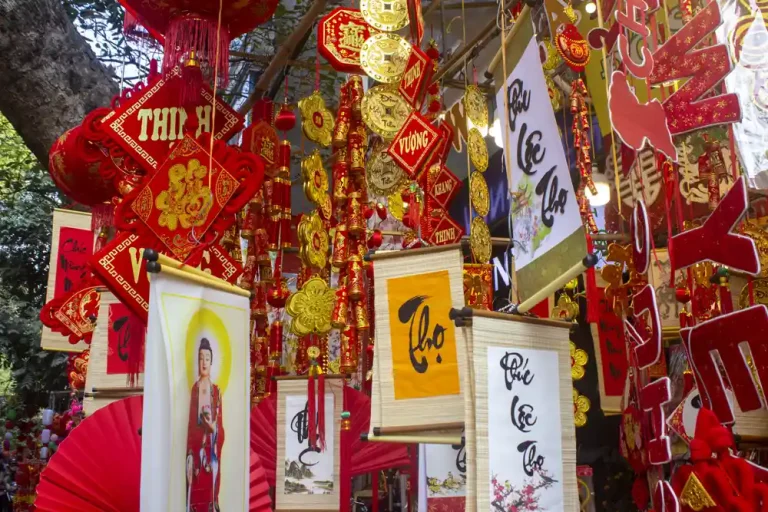
The Tết or Lunar New Year Ceremony
Have you ever imagined an entire country in full swing, ready to welcome the new year? Welcome to Vietnam during Tết, the most cherished celebration in the hearts of its people. Marking the beginning of the Vietnamese New Year, this celebration represents far more than just a change of date: it embodies a renewal filled with symbols, family rituals, and centuries-old Vietnamese traditions. From the great cleaning to drive away bad spirits to the festive dishes that bring family and friends together around a generous table, discover the soul of a timeless celebration that brings the whole of Vietnam to life each year.
Tết, or Lunar New Year, has its roots in a millennia-old tradition. Closely tied to the lunar calendar, it typically takes place between late January and mid-February. Beyond being just a celebration, Tết symbolizes renewal, a time when everyone prepares to welcome luck and prosperity.
This event holds a special place in Vietnamese culture. It emphasizes family, solidarity, and gratitude, core values to start the year under the best possible conditions. Rituals such as the big cleaning or the giving of red envelopes (lì xì) reinforce this sense of purification and optimism. Ancestor worship is also central: respect is paid to ancestors, and family altars are set up, perpetuating a heritage where the past, present, and future come together
The preparations for Tết
As the Vietnamese New Year approaches, excitement fills every home. The first ritual is a thorough cleaning, a symbolic gesture to remove accumulated negativity and make way for a purified environment. Every item is organized, every room is cleaned, with particular attention paid to the kitchen, to welcome the new year in the best possible conditions.
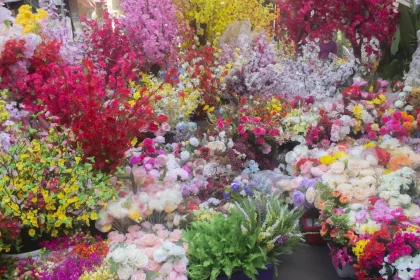
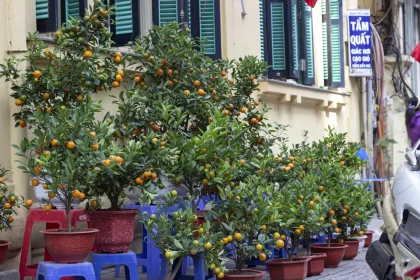
Next comes the decoration: peach blossoms (in the north) or apricot blossoms (in the south) are set up, along with kumquats, symbols of prosperity. Chrysanthemums bring brightness and good fortune, while red envelopes (lì xì) containing a small sum of money are given to children and the elderly as a sign of luck.
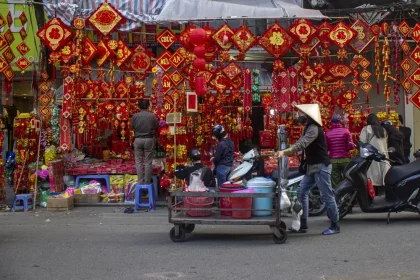
It’s impossible to mention Tết without talking about the temporary markets, where decorations, gifts, and festive treats are bought. In these crowded alleys, you’ll find everything: exotic fruits, traditional dishes, fresh flowers, and local crafts. Laughter and flavors blend with the joyful atmosphere, perfectly illustrating the convivial spirit of this Vietnamese celebration.
The Dishes and Festivities of Tết
The Dishes and Festivities of Tết
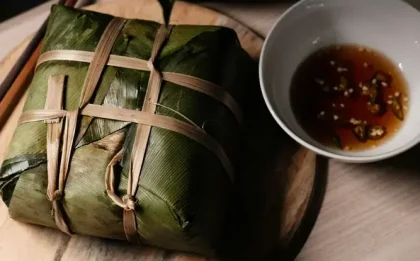
Food is at the heart of Tết, with two iconic dishes: Bánh chưng and Bánh tét. In the north of Vietnam, Bánh chưng is square-shaped (symbolizing the Earth), made with sticky rice, mung beans, and pork, wrapped in dong leaves. In the south, Bánh tét takes on a cylindrical shape (representing the Sky) and uses similar ingredients, reflecting another aspect of the culinary heritage.
Their preparation is a family ritual: everyone participates in arranging the ingredients and carefully folding the cakes, strengthening intergenerational bonds. Once cooked, these cakes are served during the family meal, a special time to share dishes and wishes for good fortune. On this occasion, other typical dishes are also enjoyed: candied fruits, bamboo soups, or spring rolls, depending on regional customs.
As for the festivities, Tết is marked by firecrackers (in regions where allowed), fireworks, and various activities: traditional dances, water puppets, folk music concerts… Families visit each other to exchange wishes for happiness and sometimes offer red envelopes (lì xì), perpetuating a spirit of sharing and hope.
Customs and superstitions
During Tết, every action carries symbolic meaning.
What you should do: wish for good luck (Chúc mừng năm mới), wear red, a color that brings good fortune, and offer small gifts to strengthen family bonds.
What you shouldn’t do: sweep on the first day, as it may sweep away your luck, or argue, which could disrupt the harmony of the household. Red envelopes (lì xì) are a must, filled with lucky money for children and the elderly.
There is also the concept of the “First Visit” (Xông đất).
On the morning of the first day of Tết, the first person to step over the threshold of a home plays a decisive role in determining the luck for the year. This tradition leads families to carefully select the person who will “open” their home: they often choose someone known for their kindness, success, or advanced age.
These traditions and superstitions, sometimes surprising, ensure a positive and supportive atmosphere from the very first moments of the year
Tết in Modern Culture
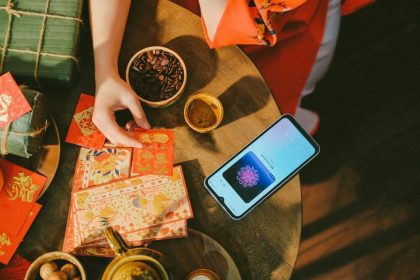
With the evolution of lifestyles, Tết is reinventing itself while preserving its deep identity. Young Vietnamese blend ancestral traditions with modernity: sharing wishes on social media, decorations inspired by the West, and festive parties combining traditional music with DJ sets.
They also invite a wide audience to discover the richness of the Lunar New Year. As for travelers, they can enjoy dedicated tours to experience Tết up close to local customs, although some cities are less accessible during the festival and many businesses close their doors to enjoy the festivities and be with their loved ones. Experiencing this from within reveals the generosity and warmth that define Vietnamese hospitality.
How to Celebrate Tết Around the World
Tết is not only a celebration in Vietnam, but also a global event for Vietnamese communities and those eager to embrace the traditions. In many countries, the Vietnamese diaspora keeps the spirit of Tết alive through vibrant festivals, community gatherings, and cultural showcases.
In countries like the United States, Canada, Australia, and France, large cities with significant Vietnamese populations host Tết festivals. These celebrations feature parades, traditional performances, food stalls, and firecrackers, offering a unique glimpse into the Lunar New Year experience. The Vietnamese expatriates, along with local participants, come together to honor their heritage, exchange wishes of good fortune, and share delicious dishes.
In some places, Tết is also a time for social gatherings where people invite friends and family to celebrate. In these multicultural settings, you’ll often see a fusion of Vietnamese customs with local traditions, creating a diverse and inclusive celebration.
Conclusion
Tết is a concentration of Vietnam’s rich culture and traditions that brings millions of people together each year around essential values: family, sharing, and renewal. Whether you’re experiencing it directly in Vietnam or adapting it to your environment, let yourself be charmed by the colors, flavors, and warmth of the Vietnamese New Year.
Looking for more information on Vietnamese traditions? Check out our other articles to deepen your knowledge. And if you want to add an authentic touch to your Tết recipes, take a look at our handcrafted Vietnamese knives, designed to combine performance and aesthetics in the kitchen.
Happy Lunar New Year and chúc mừng năm mới!